The Difference Between Generating Images and Designing Spaces
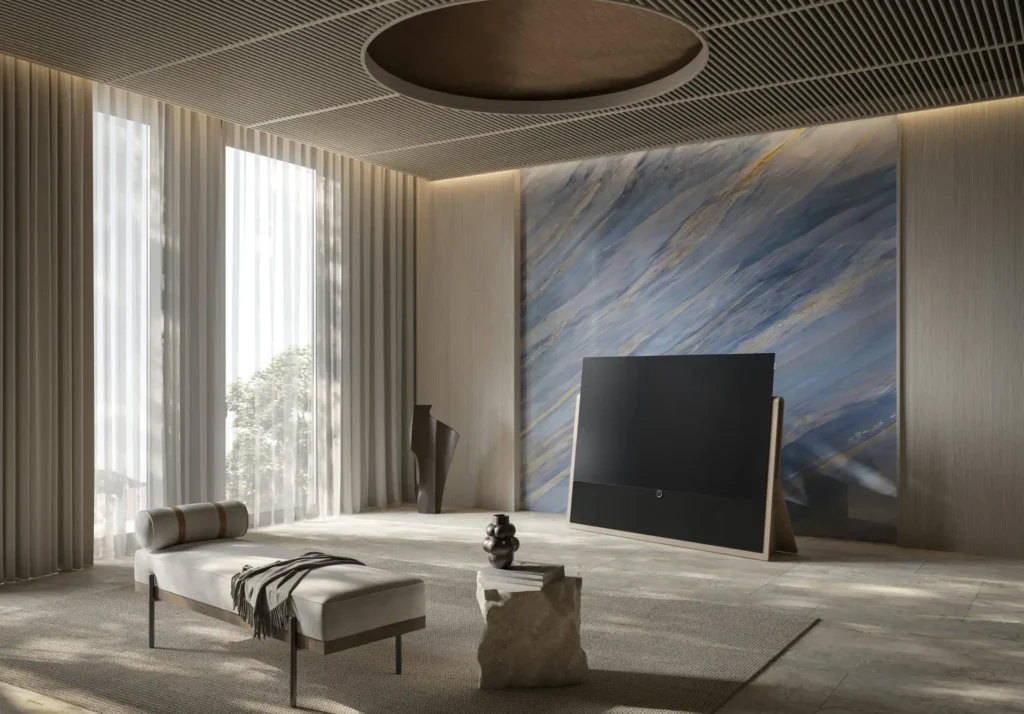
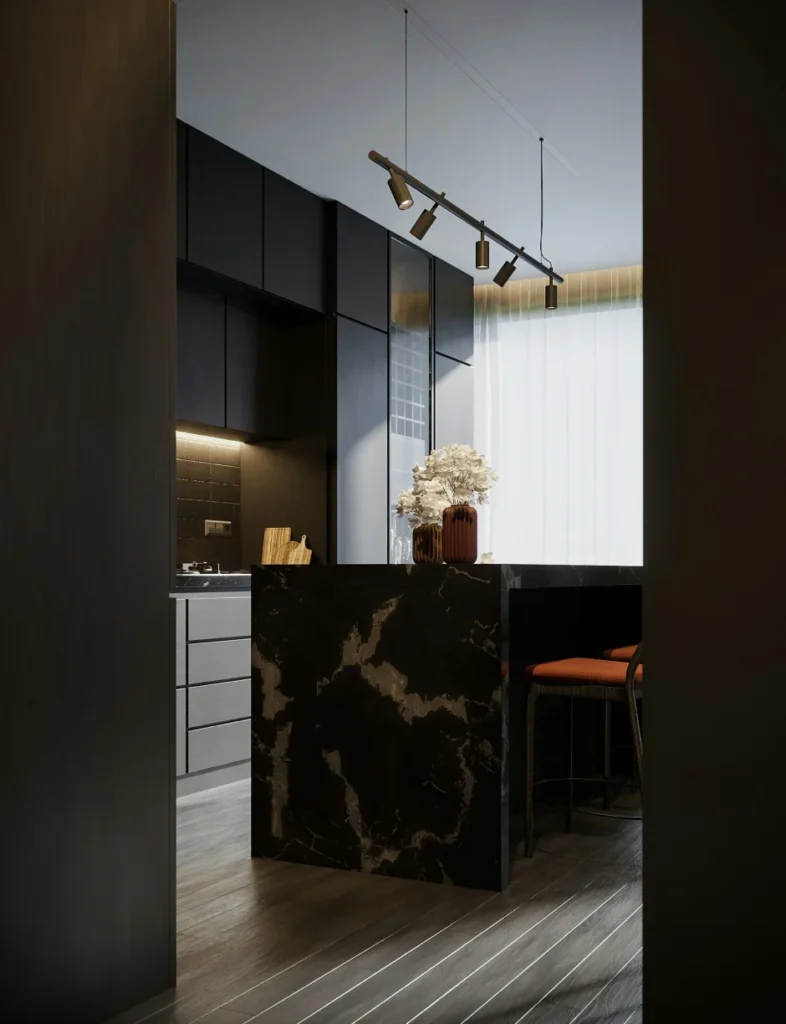
Lately, we’ve all been encountering AI-powered design tools more and more often. Honestly, I’m no exception—I can’t help but stop and look when one of these examples appears in my feed. Striking spaces created in just a few clicks, bold styles, and the growing narrative of the “AI interior designer”…
Platforms like Pixie are frequently referenced in this context, and inevitably the same question comes up:
Can artificial intelligence replace interior architects, or is it a threat to the profession?
That’s exactly the perspective I want to explore here. What does AI actually do well, where does it struggle, and where does its relationship with interior architecture truly begin—and end?
What Does It Really Mean to Design a Space?
Today, thanks to these tools, we can:
explore different styles very quickly,
experiment with color and material alternatives,
communicate the general mood of an idea in a short time.
From this perspective, especially in the early conceptual stages of design, I genuinely believe AI can be very useful.
However, once you go deeper, some questions consistently remain unanswered:
Is this space actually comfortable to live in?
Are the proportions, transitions, and circulation areas correct?
Will it cause problems in everyday use?
Are these details realistically feasible in construction?
Because AI often treats space less as a lived experience and more as a scene viewed from the outside.

Can Everyone Design Their Own Home with AI?
Yes—anyone can now generate visually impressive images of their home using these tools. But design is not just about imagination.
What I often see in practice is this:
spaces that look beautiful at first glance, but are difficult to live in and poorly thought out in terms of detail.
This is exactly where interior architecture comes in.
Not to show what can be done—but to filter what will actually work.

So, Is AI a Threat?
I get asked this question a lot, and my answer is clear: No.
On the contrary, AI makes the value of interior architecture more visible. Today, almost everyone can produce something visually appealing—but deciding what is right, knowing where to stop, and understanding which ideas should be eliminated still depends on experience.
Creating something beautiful has become easier.
Choosing what is right still requires expertise.
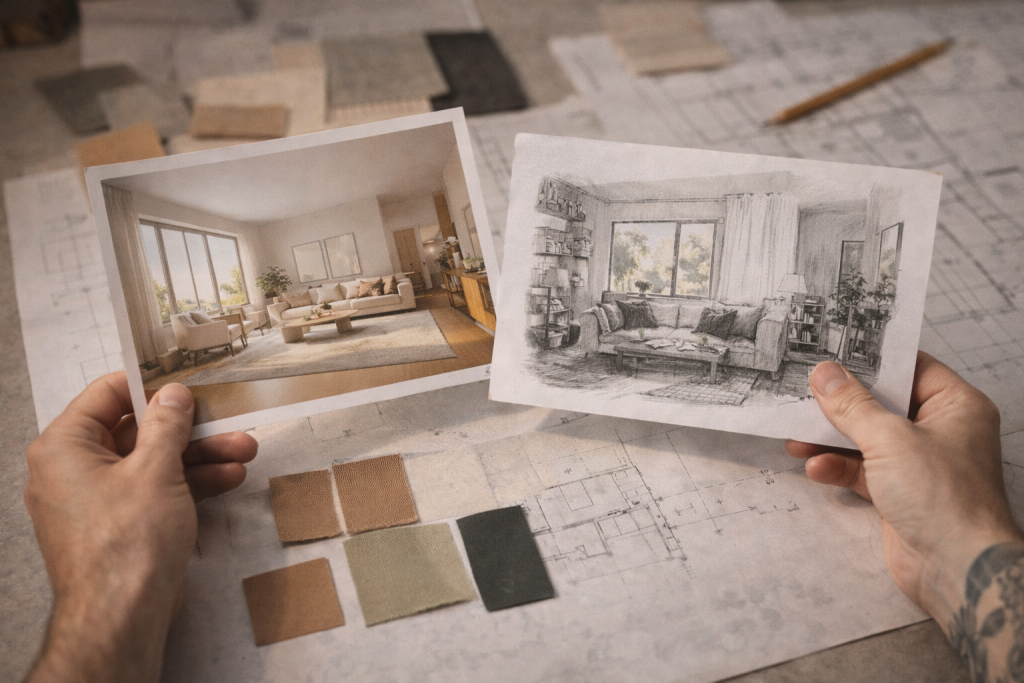
I follow and use AI-powered tools with excitement, but I never see them as the ones defining direction, structuring the process, or making final decisions. In fact, getting meaningful results from these tools is itself a form of expertise—because without proper guidance, AI tends to produce spaces that look good but are fundamentally flawed.
And perhaps this is where the real issue begins:
being able to distinguish between what looks good and what is truly right.
That distinction is exactly where the interior architect stands.